
Nokia Made the Phone You Loved – Now It’s Behind the Infrastructure You Depend On
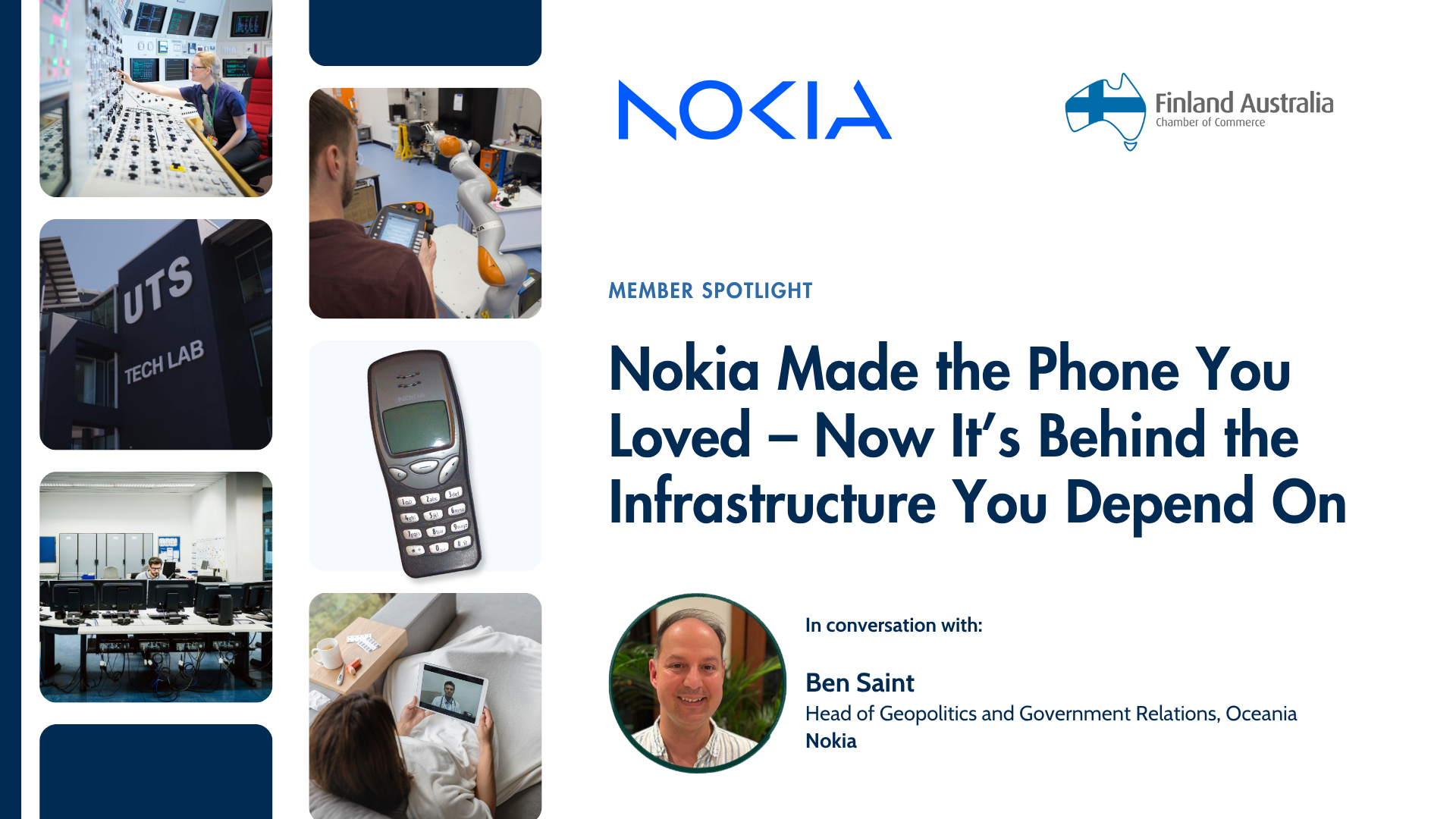
The game of Snake always had a final move. Nokia is still very much in play.
Text and interview by Saku Koskinen
Picture the scene. Someone asks Ben Saint what he does for work. He says he works for Nokia. The reaction is almost always the same.
“Oh, Nokia!” they say, eyes lighting up. “I didn’t realise you guys were still around. I loved my 3210.”
Then comes Snake.
“It almost follows an exact script every time — the 3210, then Snake, then a broader sense of nostalgia for a simpler time.” – Ben Saint
Ben is Nokia’s Head of Geopolitics and Government Relations, Oceania, and he has come to know this script well. What people rarely realise is that they are talking to a representative of one of the most important technology businesses operating in Australia today — a company whose work is so reliable, so seamlessly embedded in daily life, that nobody thinks to notice it.
The brand you associate with indestructible phones now runs the critical infrastructure Australia depends on.
Nokia has more than 800 employees working around Australia, from corporate offices in capital cities, to field operations and co-locations with key customers. Its major customers include Optus, TPG Telecom (which runs the Vodafone brand), Telstra and NBN. Nokia provides managed network services for Optus and TPG Telecom.
The equipment inside your NBN box. The hardware in the pit in your street. The gear sitting in the exchange down the road. The radio equipment powering the 4G and 5G tower your phone just connected to. Nokia equipment runs through all of it.
“We are there in the background,” Ben explains, “supporting the day-to-day services that Australians are using.”
Nokia shifted away from consumer products in the past two decades and is now primarily a business-to-business provider. It no longer makes the phones. It makes the networks the phones run on. And in a world where the networks always work, there is no reason to think about who built them.
“Our products are still indestructible — they are just now provided to the household names, to the businesses that people would know. We’re operating in the background, helping provide those services.” — Ben Saint
Nokia runs the networks that cannot fail. That’s exactly why you’ve never noticed.
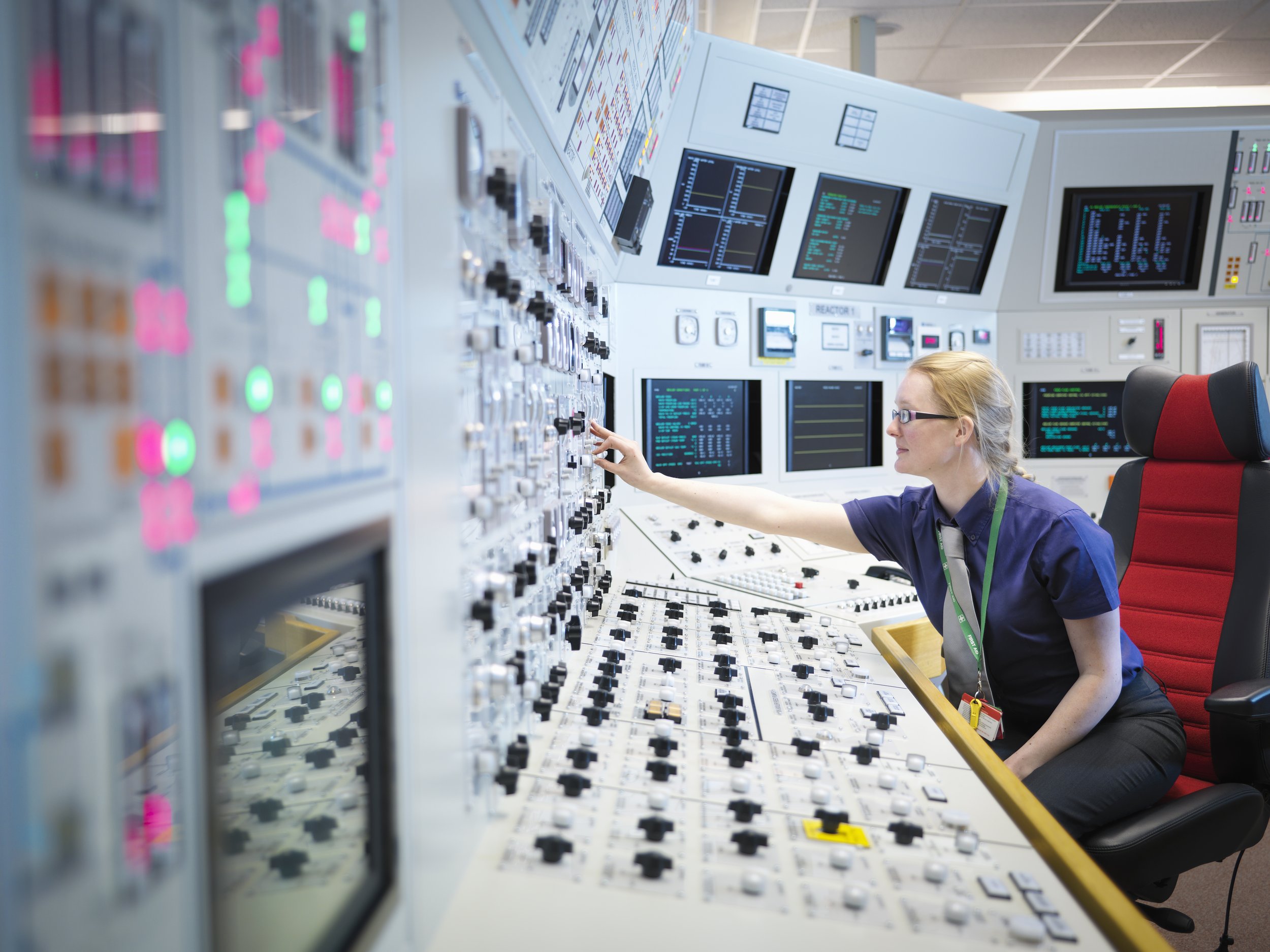
Outside the major telcos, Nokia’s network infrastructure business reaches deep into the industries that keep Australia running: mining, rail, ports and energy. These are not ordinary networks. They are what Nokia calls “mission critical” — infrastructure so important that failure is simply not an option.
“If rail communication systems were to break down, or if emergency services were unable to communicate with each other during a natural disaster — these are systems that cannot fail.” — Ben Saint
It is a quiet kind of consequence. Nobody calls Nokia when the network works. But the absence of those calls is itself the measure of success. For a major telco to hand over the day-to-day management of its entire network to Nokia, Ben argues, says everything about the trust that underpins these relationships.
“That is a really big deal,” he says. “And it builds upon our company’s proud history.”
The high quality and reliability that made Nokia handsets legendary has not disappeared. It has simply moved somewhere most people never look.
From connecting people to connecting intelligence
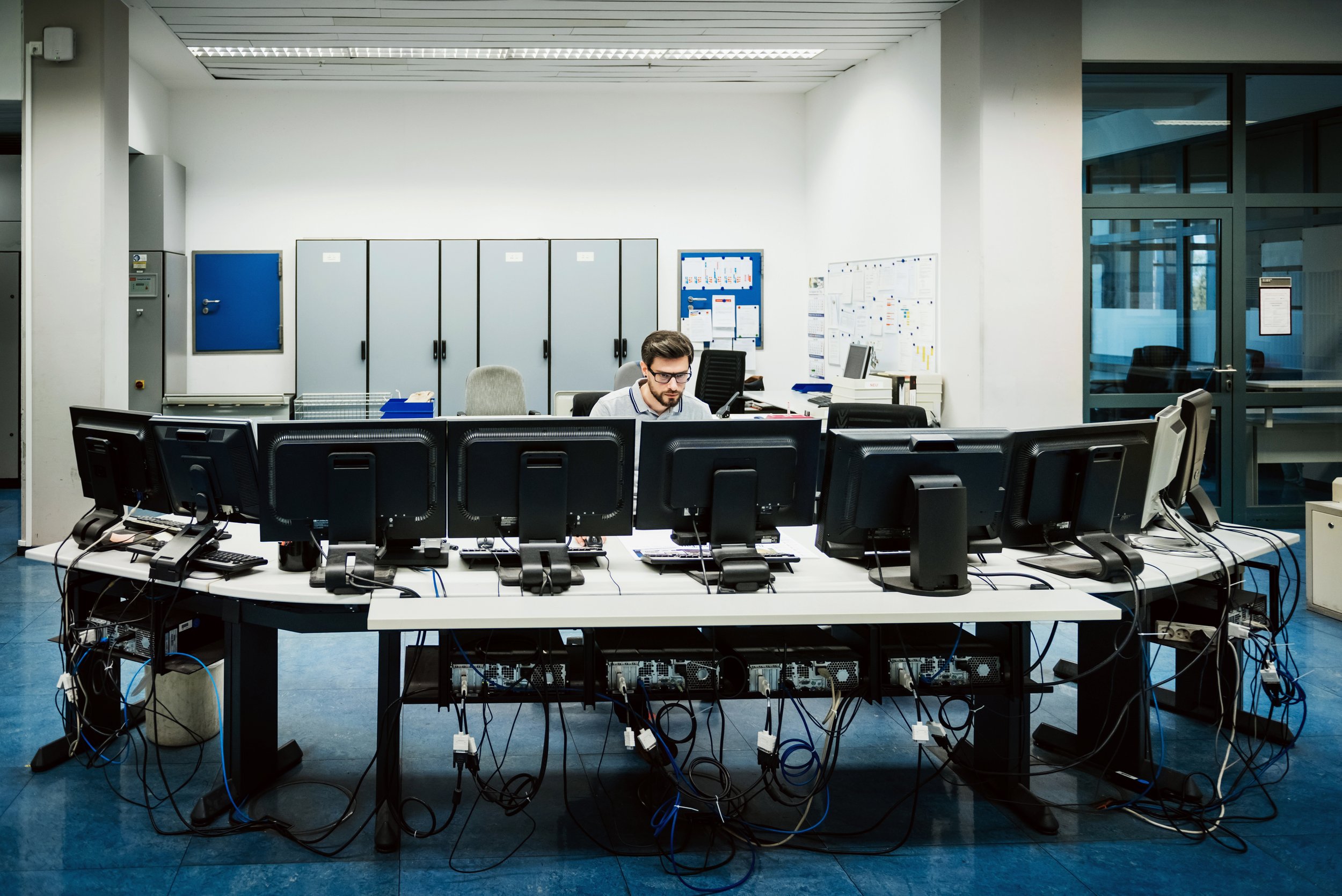
Nokia’s most important growth story right now is one that rarely makes headlines — even as AI and data centres dominate every business conversation.
When analysts talk about the AI boom, the discussion tends to focus on the models, the data centres, and the energy they consume. What gets far less attention is the digital infrastructure that actually makes any of it possible. That is precisely where Nokia is positioning itself.
“What doesn’t get enough attention is the digital infrastructure that actually sits behind all of that to make any of it happen. And that’s where Nokia plays a really important role.” — Ben Saint
Nokia provides the connectivity inside data centres, between data centres, and all the way out to the subsea cables that connect Australia to the rest of the world. It is, in Ben’s words, about “being able to move data from where it is to where it needs to go.”
Energy efficiency is a core part of Nokia’s product offering — from 5G tower equipment to the fibre optic wiring that replaces energy-hungry copper in commercial buildings — and this is especially important in data centres that face requirements around energy and water use.
“It’s going from connecting people to connecting intelligence.” — Ben Saint
Nokia just launched a defence division and Australia is one of its first partners
In late 2025, Nokia launched a dedicated Defence division — a significant global development that positions the company to serve a highly specific and trusted group of partners, including Australia.
“This isn’t a broad offering,” Ben is careful to note. Nokia is not arriving with a catalogue of ready-made products to sell. It is arriving with capabilities and an invitation to co-develop.
“We want to work with governments to look at what it is that they need and how we can provide that — how those products could be developed in partnership.” — Ben Saint
The division covers both dual-use technologies — products that work equally well in civilian and military contexts — and bespoke military communications products developed specifically for defence applications.
Nokia’s defence ambitions sit within a broader strategic category the company calls Mission Critical Networks: defence, government, public safety, rail and ports. Ben describes this as “the biggest growth opportunity for us over the next five years.”
Nokia is Finnish. Right now, that matters more than ever.
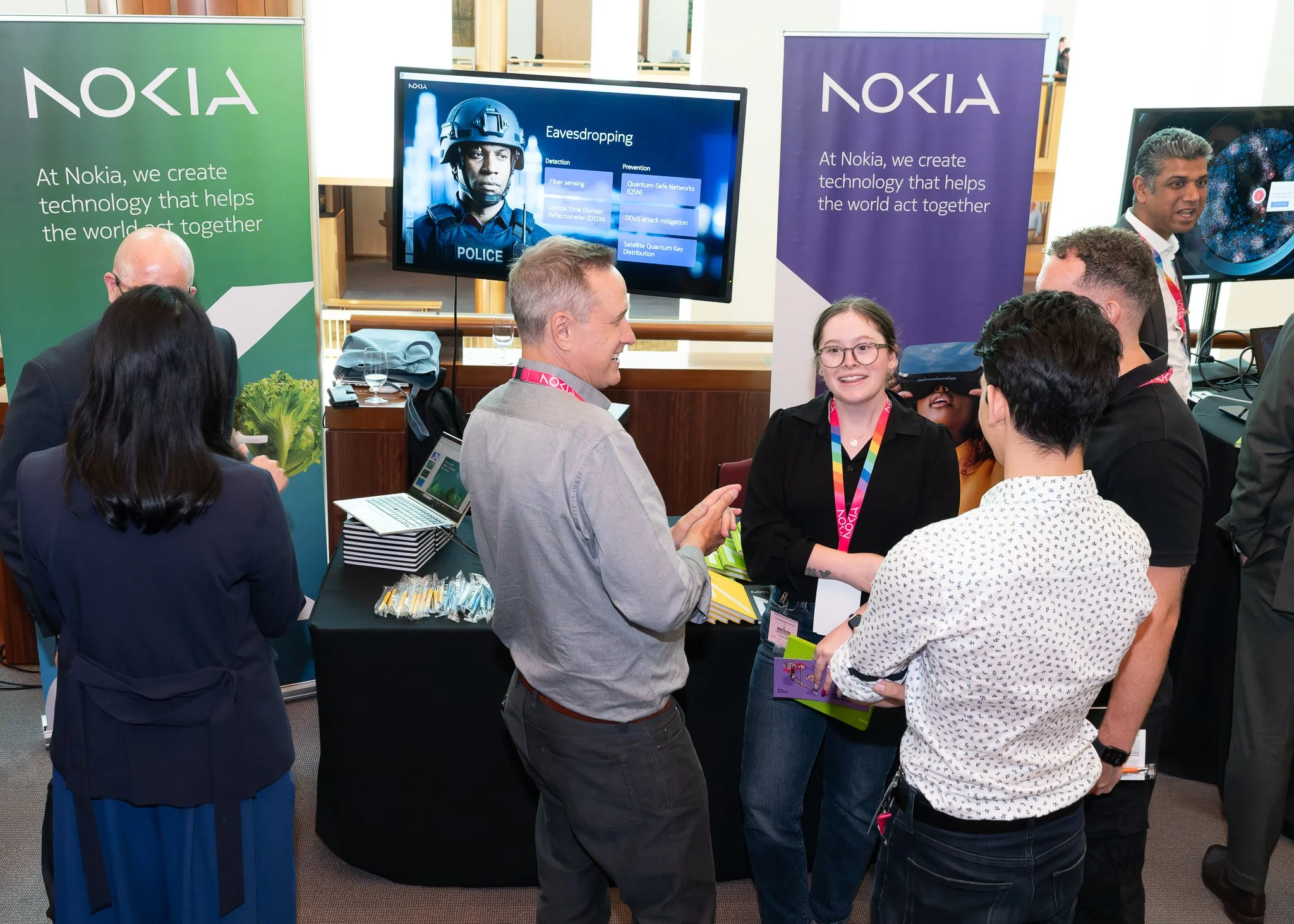
Nokia has been present in Australia for approximately a century, tracing its local roots through its merger with Alcatel-Lucent. That longevity is not something the company takes lightly — particularly in the current global environment.
For Ben, who came to Nokia as a non-Finn just over a year ago, the depth of the Finland-Nokia relationship was a genuine discovery.
“I don’t think I appreciated, until I worked for Nokia, how important the relationship is between Nokia and Finland. How active it is. How proud Finland is of Nokia and how proud Nokia is to be Finnish.” — Ben Saint
In the context of shifting geopolitics, contested supply chains, and a growing premium on trusted technology partners, that Finnish heritage carries real strategic weight. Nokia’s relationships with the EU and with key allies are not just diplomatic niceties — they are competitive advantages.
The timing is not lost on Ben. Australia and the EU recently concluded a free trade agreement and a Security and Defence Partnership, and Australia joined Horizon Europe — the EU’s flagship research and development programme. “Our connection back to Finland and back to Europe is just as relevant now as it ever has been,” he says. “And I think it’s a real strength.”
That pride is tangible inside Nokia’s Australian offices.
Engineers, account managers and sales staff from dozens of countries work side by side, with Finnish expats among them. Many colleagues have moved between Nokia offices across Asia Pacific, the Middle East, Europe and the US over the course of their careers. It is a company, Ben says, that carries its culture wherever it operates.
“It’s not hard to find one or two steps between any Finn living anywhere in the world back to Nokia. The connection is direct and personal for so many people.” — Ben Saint
Indestructible Then. Inevitable Now.
After more than 160 years, Nokia has changed almost beyond recognition — from a paper mill to a rubber manufacturer to the maker of the most beloved mobile phones in history, to the company now behind the digital fabric on which the modern world runs.
Your old 3210 may be sitting in a drawer somewhere, probably still holding a charge. But Nokia is in the NBN box in your hallway, the tower at the end of your street, and in the communications systems that keep Australia’s emergency services running when it matters most — and perhaps in the future, its defence forces too.
The phones were indestructible. As it turns out, so is the company.
Ben Saint is Head of Geopolitics and Government Relations, Oceania at Nokia. Nokia is a proud member of the Finland Australia Chamber of Commerce. This interview was conducted by Saku Koskinen, Vice President of the Finland Australia Chamber of Commerce. For more information, visit nokia.com and finland.com.au